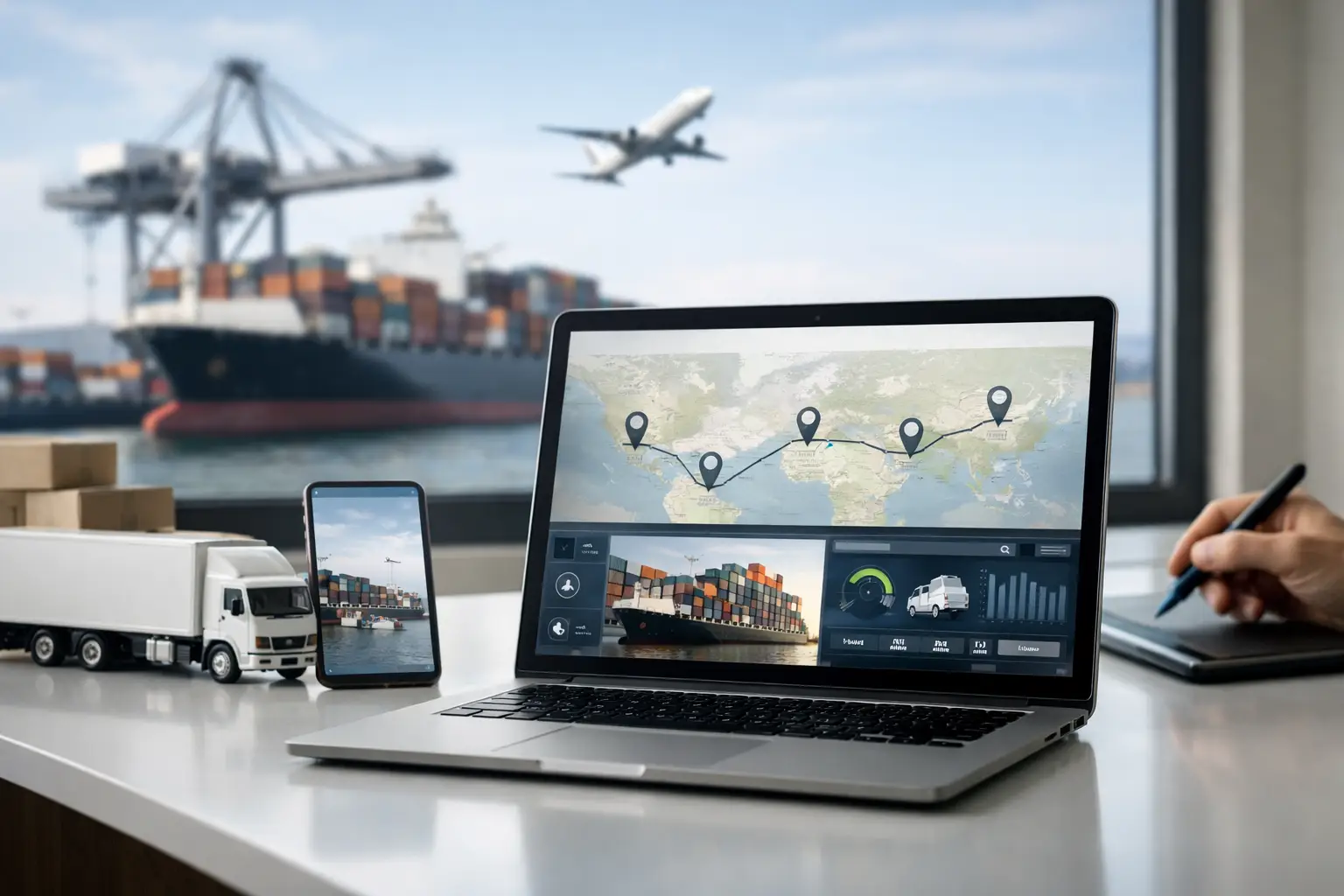

When a shipment goes quiet, inventory starts drifting, and suppliers send updates in three different formats, the problem is rarely effort. It is visibility. That is why the search for the best supply chain visibility software has become less about adding another tool and more about creating one reliable operating view across procurement, transportation, inventory, and delivery.
For most mid-market and enterprise teams, the real issue is not a lack of data. It is too much disconnected data. Carrier portals, spreadsheets, ERP exports, supplier emails, warehouse updates, and manual check-ins all tell part of the story. None gives operations leaders a complete picture fast enough to prevent delays, control costs, or make confident decisions. Good visibility software fixes that. The best platforms do more. They reduce noise, prioritize action, and help teams move faster without adding complexity.
What the best supply chain visibility software actually does
At a basic level, supply chain visibility software tracks shipments, orders, inventory, and supplier activity. That baseline matters, but it is not enough to justify investment on its own. The best supply chain visibility software turns tracking into operational control.
That means bringing transportation milestones, inventory levels, exceptions, supplier performance, and risk signals into one environment. It means your logistics coordinator can see a delayed inbound shipment at the same moment your inventory manager sees its impact on stock availability. It means your operations team does not have to spend half the day reconciling different systems before deciding what to do next.
This is where many buyers get tripped up. They compare feature lists and assume similar language means similar outcomes. It does not. Two platforms may both claim real-time tracking, alerts, analytics, and integrations. One may still require heavy manual cleanup and constant workarounds. The other may actually give teams usable visibility from day one.
How to evaluate the best supply chain visibility software
The strongest buying decisions usually come from focusing less on volume of features and more on business impact. A platform should help your team reduce delays, lower expedite costs, improve inventory accuracy, and spend less time chasing updates.
Real-time visibility is the first standard, but buyers should define what real-time means in practice. Is the platform pulling updates often enough to support fast decisions? Can it normalize data from carriers, suppliers, warehouses, and internal systems into one timeline? Can users see exceptions as they happen, not after service levels are already affected?
Usability matters just as much. A system that looks powerful in a demo can become a burden if planners, coordinators, and managers need extensive training to do basic work. First-time buyers especially should pay attention here. If adoption is slow, value is slow. The best systems present complex operations in a way that feels clear and manageable.
Integration quality is another separator. Visibility software should not force your team into duplicate entry or disconnected workflows. It should connect with ERP systems, carrier feeds, warehouse systems, and procurement tools so the platform becomes a central source of operational truth. If integrations are expensive, fragile, or slow to deploy, the software may create a new layer of friction instead of solving the old one.
Then there is exception management. Visibility is useful, but action is what produces ROI. Strong platforms do not just show delays, shortages, or supplier issues. They help teams prioritize what matters, route alerts to the right users, and suggest practical next steps. This is especially valuable in environments where one disruption can affect transportation, inventory, and customer commitments at the same time.
Key capabilities that separate strong platforms from average ones
A worthwhile platform should cover the full operating picture, not only in-transit shipment visibility. Transportation tracking is often where companies start, but broader visibility creates bigger returns.
Inventory visibility should show what is on hand, what is committed, what is inbound, and where exposure exists. Supplier coordination should make purchase order status, lead-time changes, and compliance issues easier to monitor without endless email follow-up. Analytics should go beyond static reports and help managers identify recurring bottlenecks, unreliable lanes, high-risk suppliers, and cost leakage.
Automation is another major differentiator. If your team still has to manually escalate every exception, send every update, and reconcile every mismatch, software is only doing part of the job. The best platforms use workflows, alerts, and rule-based actions to reduce routine effort. Some also layer in AI-driven recommendations that help teams decide faster when disruptions happen.
Mobile access can also matter more than buyers expect. For distributed operations teams, field users, warehouse personnel, and leaders moving between sites, visibility loses value if it only works well from a desktop. A platform should support fast access to live status and exception details wherever work is happening.
Common mistakes buyers make
One common mistake is choosing based on the most advanced technical promise instead of the clearest path to value. Some organizations buy for future complexity they may never need, then struggle with implementation, adoption, and configuration. Enterprise-grade capability matters, but so does speed to usable results.
Another mistake is treating visibility as a transportation-only initiative. If the software cannot connect shipment events to inventory risk, supplier performance, and operational decisions, teams still end up working across silos. That limits ROI and weakens accountability.
Buyers also underestimate onboarding. Even strong software can disappoint if implementation takes too long or depends too heavily on internal IT resources. For organizations buying this type of platform for the first time, support during rollout is not a nice extra. It is part of the product value.
What implementation should look like
The best software should improve operations quickly, not become a long transformation project before anyone sees results. In most cases, rollout should start with a focused use case such as inbound shipment tracking, order-level visibility, or exception alerts for critical inventory. Early wins build trust and help teams expand usage with less resistance.
From there, implementation should move toward broader integration across procurement, transportation, inventory, and analytics. Clear dashboards, role-based views, and practical training matter more than long documentation libraries. Teams need to know what to do with the information, not just where to find it.
This is where a platform like CatenaLogistix fits well for many first-time buyers. The value is not only in end-to-end visibility, but in making that visibility understandable and operational quickly. For teams that want enterprise-level control without a heavy learning curve, that balance is often what determines whether software gets adopted or ignored.
How to tell if a platform will deliver ROI
The best supply chain visibility software should create measurable movement in a few core areas. Buyers should expect shorter response times to disruptions, fewer manual status checks, better on-time performance, lower expedite spending, and stronger inventory accuracy. If those outcomes are hard to connect to the platform, the business case gets weaker.
It also helps to look at who benefits internally. Logistics teams gain shipment control. Procurement gets clearer supplier signals. Inventory managers get better insight into inbound risk. Leadership gets a cleaner view of performance, cost drivers, and service exposure. When one platform supports all of those groups, the investment becomes easier to justify and easier to scale.
There is still an it depends factor. A global manufacturer with complex multimodal movements will not evaluate software the same way a regional distributor does. Some companies need deep risk monitoring and supplier collaboration. Others need a fast, reliable way to replace spreadsheets and fragmented carrier portals. The best choice is the one that matches operational complexity without forcing unnecessary complexity onto the team.
Choosing the best supply chain visibility software for your business
A strong platform should make your supply chain easier to run, not harder to understand. That means real-time visibility across the flow of goods, practical alerts that lead to action, integrations that reduce manual work, and reporting that supports better decisions. It should also be deployable at a pace your team can handle.
If you are evaluating options, ask a simple question before every demo and feature review: will this help our team act faster with less effort? That question tends to cut through polished messaging quickly. The right software will not just show more data. It will give your organization more control, better coordination, and a clearer path to operational improvement.
The best buying decisions usually come from choosing the platform your team will actually use every day, because visibility only matters when it changes what happens next.