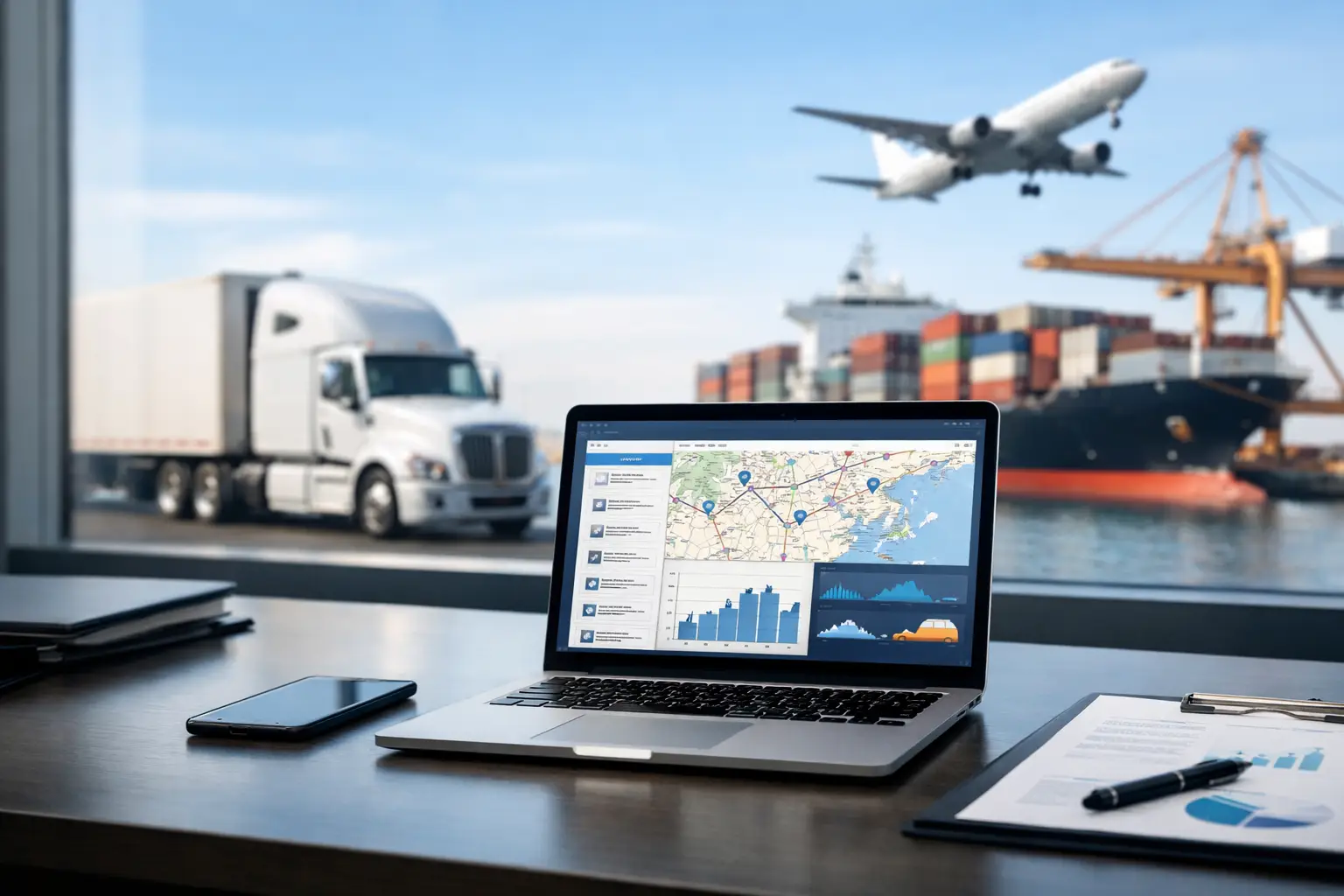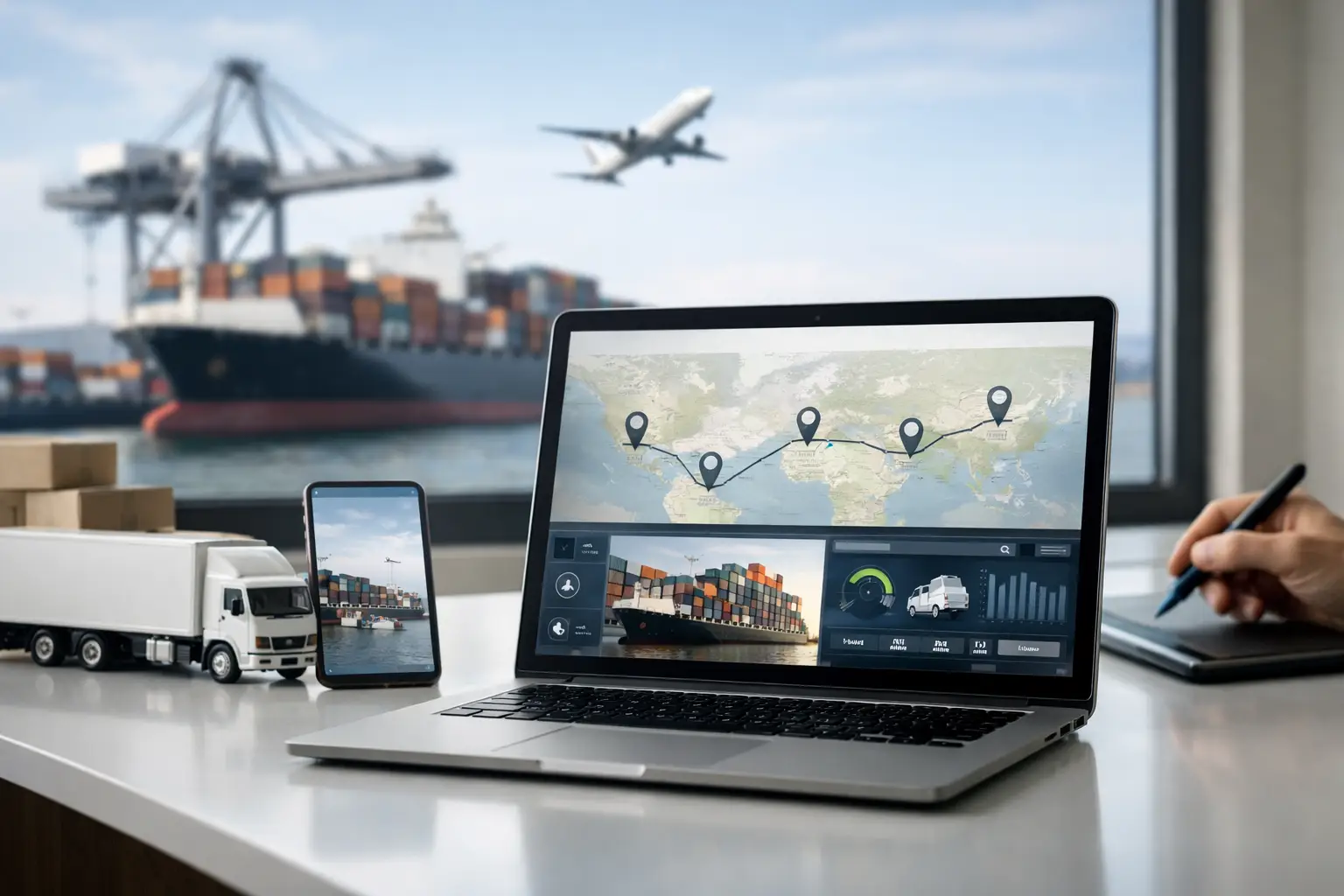

A shipment that looks on schedule at 9:00 a.m. can turn into a customer escalation by noon. That is why real time cargo tracking has moved from a nice-to-have feature to an operational requirement for companies managing tight delivery windows, lean inventory, and multiple carrier partners.
For supply chain leaders, the value is not just seeing a dot on a map. It is knowing what is late, what is at risk, what needs intervention, and what decision should happen next. When tracking data is delayed, fragmented, or trapped inside carrier portals, teams spend their day reacting. When tracking is centralized and current, they can prevent missed handoffs, reduce manual follow-up, and make better inventory and customer service decisions.
What real time cargo tracking actually changes
Most companies already have some form of shipment visibility. The problem is that visibility is often partial. One carrier sends milestone updates by email, another requires a portal login, and a supplier shares status in a spreadsheet. Operations teams then piece together the full picture manually.
Real time cargo tracking changes that operating model. Instead of checking multiple systems and chasing status updates, teams get a live view of in-transit freight across lanes, carriers, and shipment types in one place. More importantly, they can act from that same view.
That distinction matters. Visibility without action still leaves teams buried in exceptions. Effective tracking should show where cargo is, how it compares to plan, whether a delivery commitment is at risk, and what issue needs immediate attention. For procurement, that means better awareness of inbound materials. For warehouse teams, it means better labor and dock planning. For customer-facing teams, it means fewer vague responses and more accurate delivery communication.
Why older tracking methods break under pressure
Manual tracking works until volume rises, disruptions increase, or customer expectations tighten. Then the cracks show quickly.
A coordinator may spend hours each day refreshing carrier sites, emailing suppliers, or calling for updates. That labor cost is easy to overlook because it is spread across teams, but it adds up fast. More damaging is the decision lag. If a late shipment is discovered too late, the business has fewer options. Expedited freight, production delays, backorders, and service failures become more likely.
The other issue is inconsistency. Different partners report status differently. Some provide high-frequency updates, while others only confirm key milestones. Some estimate arrival times conservatively, while others are overly optimistic. Without a single system normalizing those inputs, managers are left comparing apples to oranges.
This is where first-time buyers often hesitate. They assume improving tracking requires a long implementation or a complex rip-and-replace project. In practice, the better approach is usually to centralize data from existing carriers, ERPs, and suppliers so teams can work from one reliable operating view without rebuilding the entire logistics stack.
The business case for real time cargo tracking
The fastest return usually comes from reducing avoidable delays and manual work. When teams can identify shipment exceptions earlier, they can reroute freight, adjust appointments, notify customers, or rebalance inventory before the issue spreads downstream.
There is also a planning advantage. Inbound tracking affects purchasing, inventory allocation, labor scheduling, and production readiness. Outbound tracking affects customer service, OTIF performance, and freight cost control. Real time cargo tracking sits in the middle of all of that, connecting transportation events to broader operational decisions.
For leaders focused on measurable outcomes, the gains tend to show up in a few areas. Expedite costs often drop because issues are caught earlier. Customer service workload decreases because status information is easier to access and share. Inventory accuracy improves because arrival timing is more reliable. And teams spend less time asking where a shipment is and more time resolving what matters.
That said, not every business needs the same level of granularity. A company shipping high-value goods, time-sensitive components, or temperature-sensitive freight will need deeper monitoring and tighter alerting than a shipper moving non-urgent replenishment stock. The right setup depends on cargo type, network complexity, and the cost of disruption.
What to look for in a real time cargo tracking system
The strongest platforms do more than collect pings. They turn tracking data into operational control.
Start with data coverage. If the system only works with a small subset of carriers or transportation modes, teams will still fall back on manual processes. Coverage across truckload, LTL, ocean, air, parcel, and intermodal matters if your network spans multiple shipment types.
Then look at event quality. Good tracking is not just frequent. It is accurate, timely, and standardized. A platform should translate raw updates into consistent milestones and highlight deviations from plan clearly. Estimated arrival times should update dynamically, not remain static once a load departs.
Workflow matters just as much as visibility. Alerts should be configurable so teams are not buried in noise. Exception management should help users prioritize by business impact, not just by timestamp. If a system shows every minor delay with equal urgency, users will ignore the dashboard when a serious issue appears.
Integration is another critical factor. Tracking is most useful when it connects to purchase orders, sales orders, warehouse schedules, and inventory positions. That context is what turns shipment data into business insight. A late truck means something very different if it carries a low-priority replenishment order versus a component needed for tomorrow’s production run.
This is where platforms built for usability stand out. CatenaLogistix, for example, is designed to centralize shipment tracking, supplier coordination, inventory, and analytics in one environment, which helps newer buyers get value quickly without adding another disconnected tool.
How implementation should work
The best implementations start small and prove value fast. That usually means connecting a core set of carriers, defining key milestones, and setting alert thresholds around the exceptions that matter most.
A common mistake is trying to model every edge case on day one. That slows deployment and delays adoption. A better path is to launch with the lanes, customers, or suppliers where visibility gaps are already causing measurable pain. Once teams see fewer check calls, quicker issue resolution, and more reliable updates, expansion becomes easier.
Ownership should also be clear. Transportation, customer service, procurement, and warehouse teams all use tracking data differently. If no one defines who responds to which exception, alerts can become just another stream of unattended information. Operational discipline matters as much as software capability.
Training should stay practical. Users do not need a technical lecture on telematics or API architecture. They need to know what the dashboard shows, what each alert means, and what action is expected. For organizations buying supply chain software for the first time, simplicity is not a bonus feature. It is what determines whether the platform gets used daily.
Common pitfalls to avoid
One pitfall is overvaluing map visibility and undervaluing execution. A polished interface can look impressive in a demo, but if it does not improve ETA accuracy, reduce manual updates, or support exception handling, the business impact will be limited.
Another is assuming more data automatically means better decisions. High event volume without prioritization creates alert fatigue. Teams need clear thresholds, business context, and simple workflows.
There is also the issue of partner participation. Some tracking models depend heavily on carrier compliance, driver app usage, or supplier responsiveness. That does not make them ineffective, but it does mean adoption planning matters. If your network includes smaller vendors or mixed carrier capabilities, choose a system that can handle uneven data maturity.
Finally, do not measure success only by whether shipments can be viewed. Measure whether delays are caught earlier, whether customers receive better updates, whether expedites decline, and whether teams recover time previously spent hunting for answers.
Where the value compounds over time
Once real time cargo tracking is in place, it starts improving more than transportation. Historical shipment data helps identify recurring carrier performance issues, weak handoff points, unreliable suppliers, and lanes with chronic delay risk. Over time, that supports better procurement decisions, stronger routing strategies, and more realistic customer commitments.
It also improves internal alignment. When procurement, operations, customer service, and logistics teams all work from the same current shipment picture, fewer decisions are made in isolation. That reduces the friction that comes from conflicting spreadsheets, missed emails, and stale updates.
For companies trying to modernize without adding complexity, that is the real advantage. Real time cargo tracking is not just about knowing where freight is. It is about creating a single, dependable source of operational truth that helps teams move faster and make fewer costly guesses.
The businesses that benefit most are usually not the ones with the flashiest dashboards. They are the ones that turn visibility into faster response, better planning, and calmer daily execution.