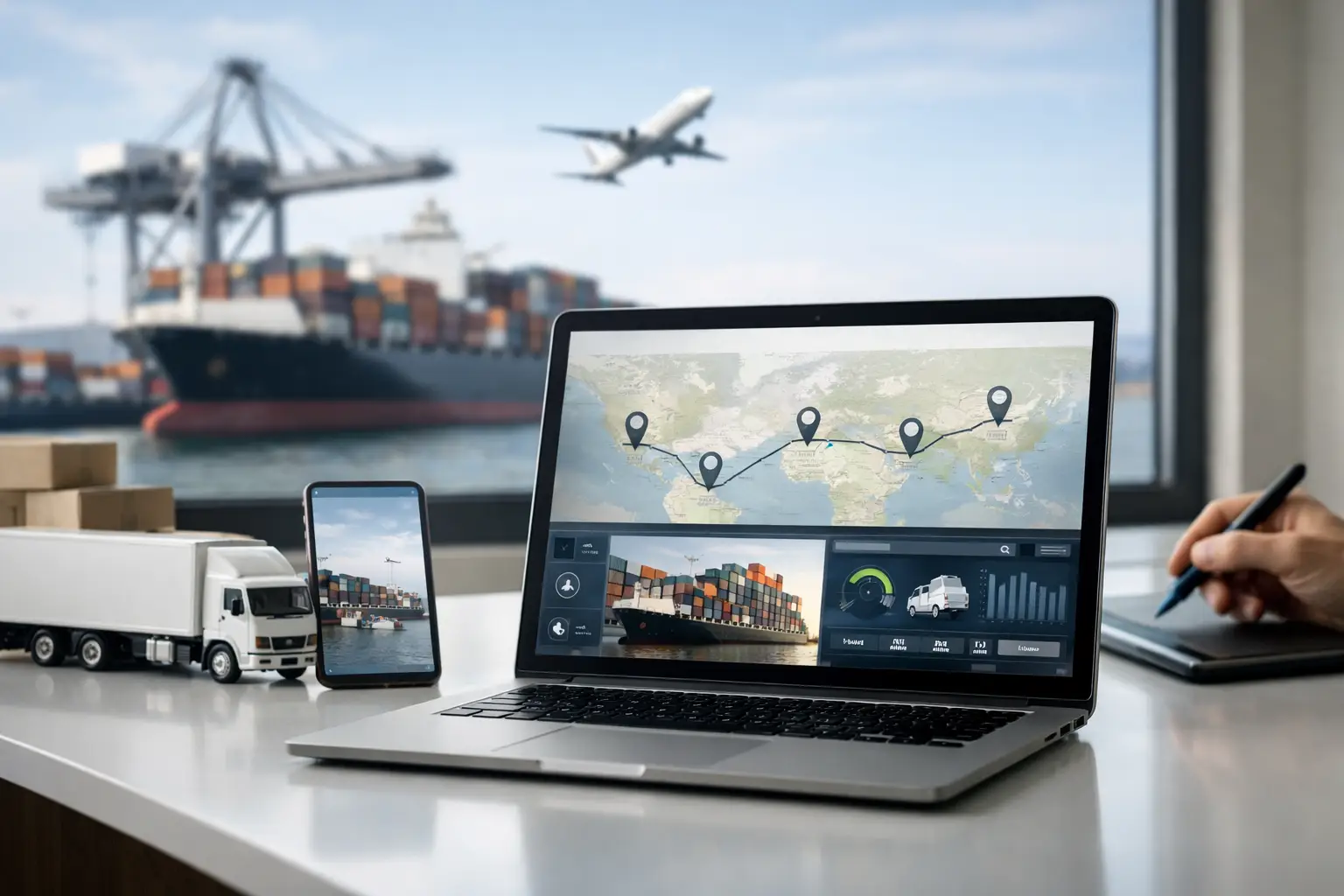

A shipment shows as delayed at 7:12 a.m. By 7:20, customer service is already getting calls, the warehouse is asking whether to reallocate stock, and operations is chasing updates across carrier portals, email threads, and spreadsheets. That is exactly where real-time shipment tracking software changes the equation. It gives teams one current view of shipment status, location, exceptions, and likely next steps so they can act before a delay turns into a service failure.
For companies managing growing freight volumes, multi-carrier networks, or tight customer delivery windows, visibility is no longer a nice add-on. It is the operational baseline. The real question is not whether to track shipments in real time. It is whether your team can make decisions quickly enough when the status changes.
What real-time shipment tracking software actually does
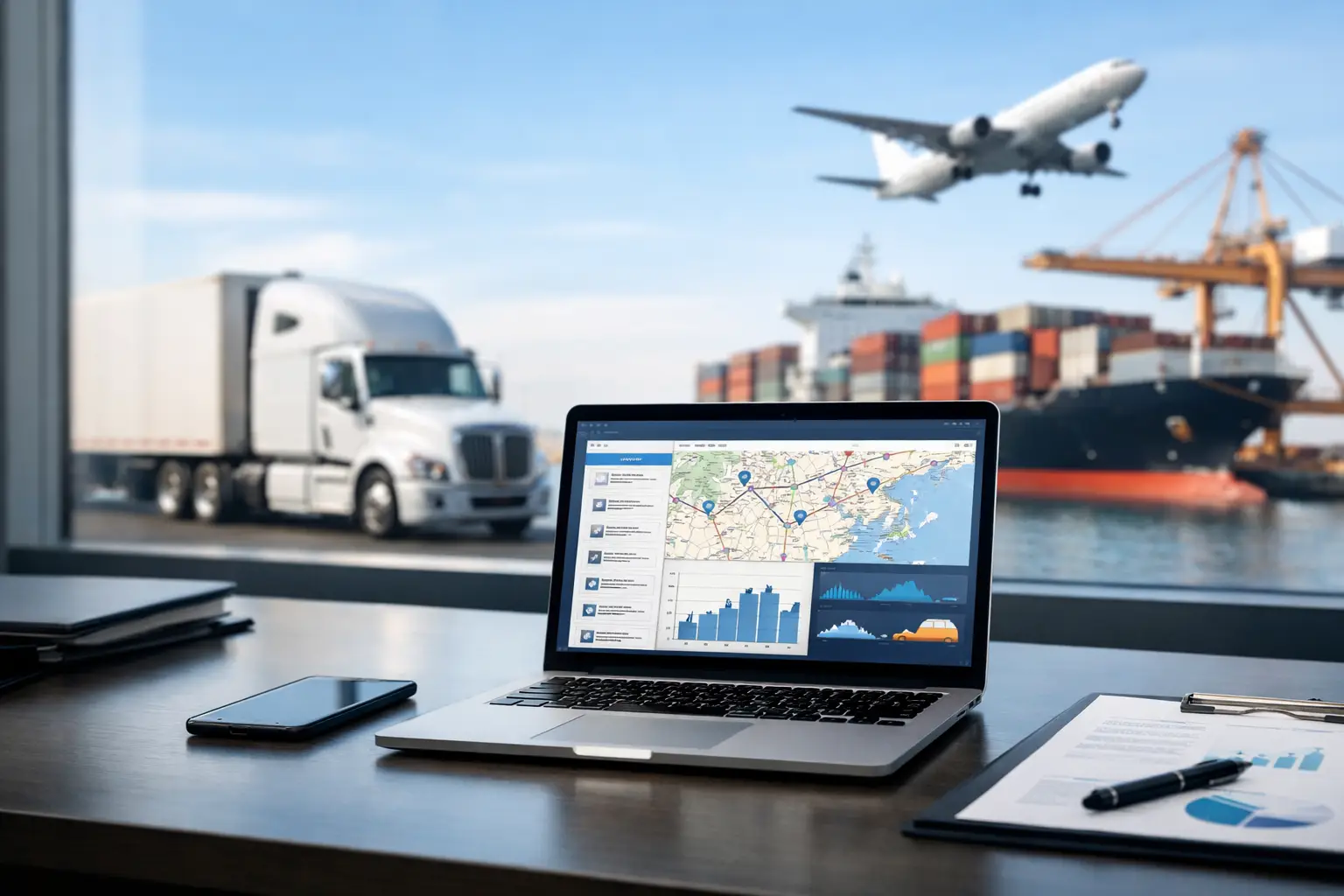
At its core, real-time shipment tracking software collects shipment data from carriers, telematics feeds, mobile devices, ERP systems, and transportation workflows, then brings that information into one usable view. Instead of checking updates in separate systems, teams can monitor shipments by order, load, carrier, lane, customer, or location.
That sounds straightforward, but the value is in how the data becomes operationally useful. Good platforms do more than show a truck on a map. They translate raw movement data into ETA updates, milestone confirmations, exception alerts, proof of delivery, and workflow triggers that help teams respond faster.
For a logistics coordinator, that may mean spotting a missed pickup before it impacts downstream appointments. For a procurement lead, it may mean knowing inbound materials will arrive late and adjusting production expectations early. For an inventory manager, it may mean rebalancing stock before a shortage hits a critical SKU.
Why visibility matters more than tracking alone
Basic tracking answers a narrow question: where is the shipment right now? Visibility answers the business question behind it: what does this mean for operations, cost, and customer commitments?
That difference matters because supply chain teams rarely need data for its own sake. They need context. A shipment running two hours late may be irrelevant for one customer and a major issue for another. A port delay might not hurt inventory if safety stock is healthy, but it becomes urgent if the product is already constrained.
This is why better software connects tracking to broader workflows. When shipment status is tied to orders, inventory positions, supplier updates, and delivery commitments, teams stop reacting in fragments. They can prioritize exceptions, coordinate internally, and make decisions based on business impact rather than noise.
The business case for real-time shipment tracking software
The strongest case for investment is usually not that the software tracks more precisely. It is that it reduces expensive uncertainty.
When teams lack timely shipment data, they compensate with manual work. They call carriers for updates, maintain duplicate spreadsheets, buffer inventory, overcommunicate with customers, and escalate issues late. Those workarounds carry a cost. They also scale badly.
Real-time shipment tracking software helps reduce that operational drag in several ways. It shortens response times when shipments go off plan. It improves ETA accuracy, which helps customer-facing teams communicate with more confidence. It reduces time spent hunting for shipment status. In many environments, it also supports better carrier performance management because delays and missed milestones become easier to measure.
There are softer gains too, but they matter. Cross-functional trust improves when everyone is looking at the same data. Leadership gets fewer surprises. Teams spend less time debating what happened and more time deciding what to do next.
What to look for in real-time shipment tracking software
Not every platform that offers tracking is built for operational control. If you are evaluating options, look beyond map views and carrier logos.
Data quality and update reliability
Real-time only matters if the information is current enough to support decisions. Ask how shipment updates are collected, how often they refresh, and how the system handles gaps or conflicting signals. Some providers rely heavily on carrier milestone messages, while others combine those with GPS, ELD, mobile app, or telematics data. The best fit depends on your transportation mix.
Exception management
A strong platform should not force users to watch every shipment manually. It should surface the loads that need attention, explain the issue clearly, and trigger alerts or workflows based on business rules. If every shipment looks equally urgent, the tool creates more noise, not more control.
Integration with your existing systems
Tracking software becomes much more valuable when it connects to your ERP, TMS, WMS, order data, and carrier network. Without integration, teams still end up rekeying updates or switching between systems. For first-time buyers especially, this is where simplicity matters. Implementation should feel structured and manageable, not like a custom IT project that stalls for months.
Usability for different teams
A supply chain director and a logistics coordinator do not need the same screen. One needs trends, performance metrics, and risk visibility. The other needs shipment-level detail and fast action. Good software supports both without burying users in complexity.
Scalability without heavy overhead
Some businesses need a lightweight starting point. Others need enterprise controls, audit trails, multi-site visibility, and analytics from day one. The best platforms can support both. That balance is especially important for companies replacing fragmented tools with a single system and expecting usage to expand over time.
Where companies get the most value
Real-time shipment tracking software tends to produce the fastest returns in environments where delays, handoffs, and communication gaps are common. Multi-carrier shipping operations are an obvious fit, especially when teams are juggling parcel, LTL, truckload, and inbound supplier shipments at once.
It is also highly valuable for businesses with customer service exposure. If your team is regularly answering delivery status questions, ETA accuracy and proactive alerts can reduce both service workload and customer frustration. Manufacturers and distributors often see additional gains because inbound visibility affects production scheduling, inventory planning, and fill rates, not just outbound delivery.
That said, the payoff depends on process discipline. If no one owns exception follow-up, or if alerts go nowhere, software alone will not improve outcomes. Visibility needs a response model behind it.
Common implementation mistakes
The most common mistake is buying for features instead of decisions. A platform may offer dozens of dashboards, but if your team mainly needs early warning on delays, carrier performance by lane, and a clean customer ETA view, extra complexity can slow adoption.
Another mistake is trying to connect everything at once. A phased rollout is often smarter. Start with high-impact shipments, priority carriers, or your most painful workflows. Prove value quickly, then expand.
Companies also underestimate change management. Even intuitive software changes how people work. Teams need clear ownership, alert thresholds, escalation rules, and a shared understanding of what counts as an exception worth acting on.
This is where a platform built for usability has an advantage. CatenaLogistix, for example, is designed for organizations that need enterprise-grade visibility without a long ramp-up period or unnecessary complexity. That matters when speed to value is part of the buying decision.
How to evaluate whether the software is working
Once the platform is live, success should be measured in operational outcomes, not just login activity. Are shipment exceptions identified earlier? Has time spent checking status dropped? Are ETA communications more accurate? Are customer teams escalating fewer preventable issues?
You should also look at financial and service metrics over time. Depending on your operation, those may include detention and expedite costs, on-time delivery performance, inventory accuracy, missed appointments, and labor hours spent on manual tracking. The right software should improve visibility, but it should also create measurable business impact.
There is a trade-off to keep in mind. More data does not automatically mean better decisions. If the system floods users with low-priority notifications, adoption can decline fast. The best implementations are disciplined about configuring alerts, dashboards, and workflows around what actually drives performance.
The shift from tracking to control
Shipment tracking used to be a customer service function. Now it is part of supply chain control. When real-time data is connected to planning, execution, and exception management, teams can protect service levels, reduce avoidable costs, and make faster decisions with less guesswork.
That is why real-time shipment tracking software matters. It does not just tell you where freight is. It gives your team the visibility to coordinate better under pressure, especially when plans change midstream. In logistics, that is often the difference between managing disruption and absorbing it.