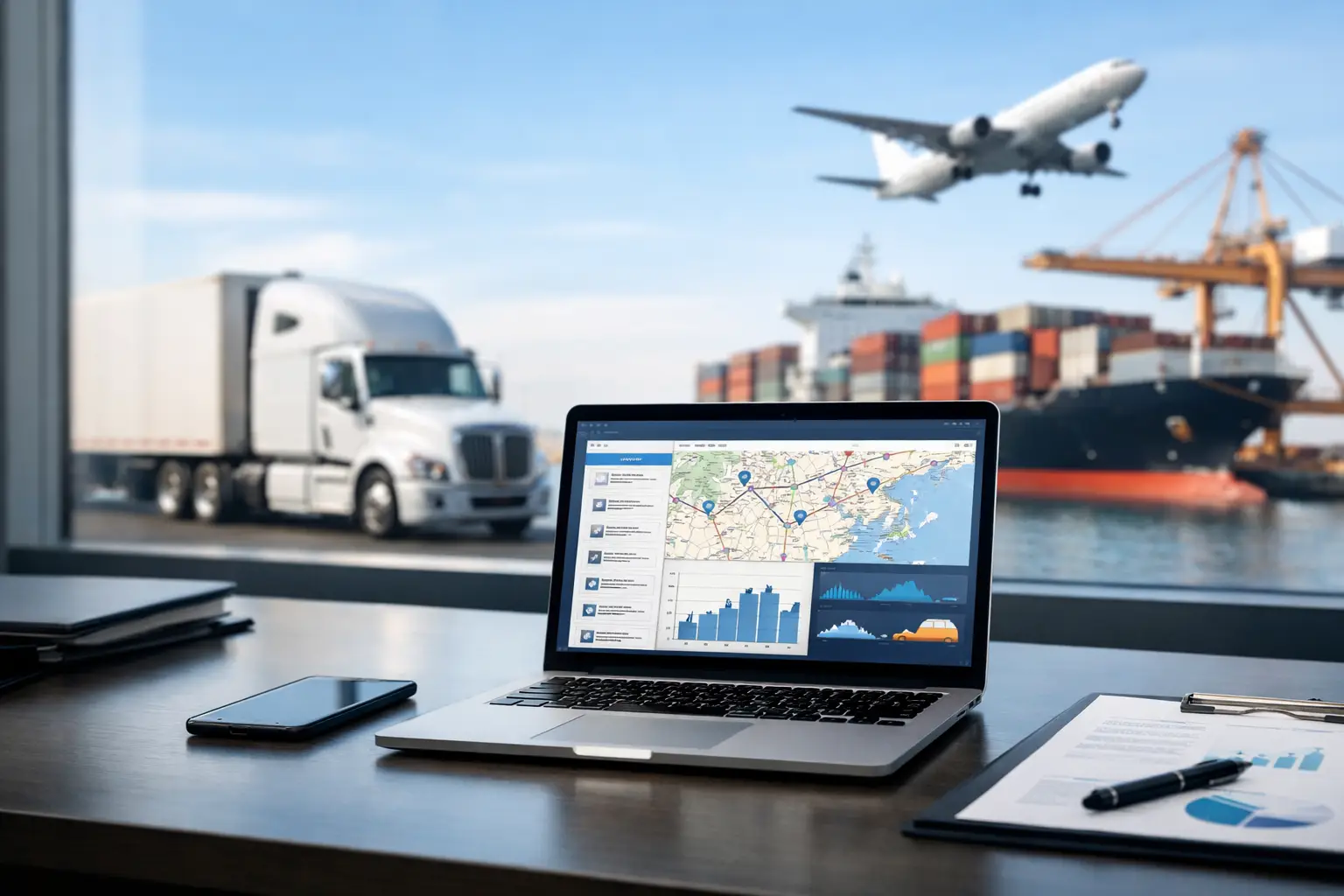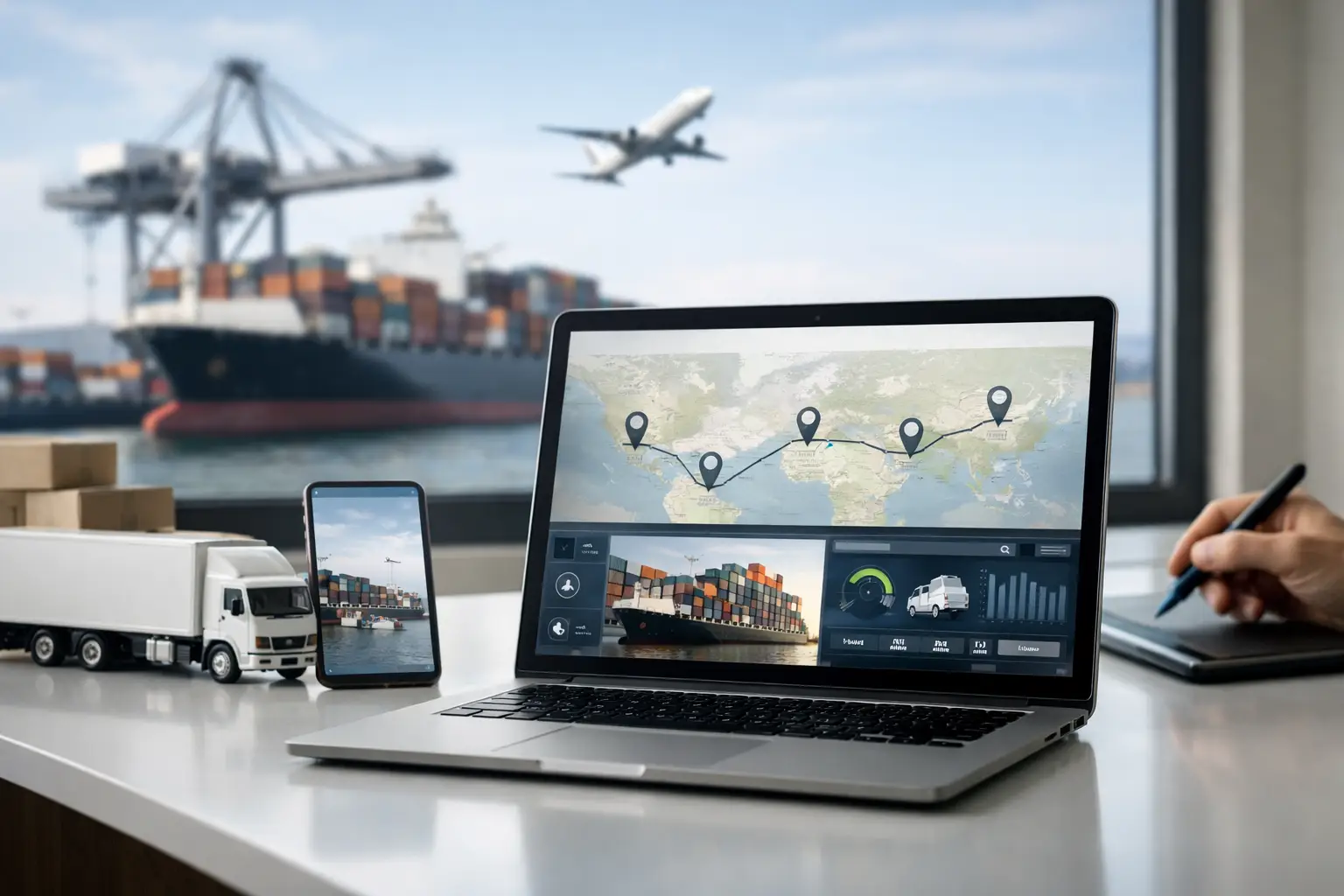

When a shipment misses a delivery window, the real problem usually started much earlier. A supplier updated a production date by email, a carrier status sat in a separate portal, or inventory data lagged behind what was actually on the floor. That is why supply chain visibility and tracking technologies matter so much. They do more than show where freight is. They give operations teams a usable picture of what is happening across suppliers, inventory, transportation, and delivery so they can act before small issues become expensive ones.
For many organizations, visibility is still fragmented. Procurement has one view, warehouse teams have another, and logistics coordinators are stuck chasing updates across spreadsheets, phone calls, and carrier sites. Tracking technology has improved, but data alone does not fix the coordination problem. What makes the difference is whether information arrives in one place, in real time, and in a format people can actually use.
What supply chain visibility and tracking technologies really include
The phrase covers more than GPS dots on a map. In practice, it refers to the systems that collect, standardize, and present operational data from across the supply chain. That can include transportation management systems, warehouse systems, supplier portals, EDI feeds, barcode scanning, RFID, IoT sensors, carrier integrations, ERP connections, and analytics dashboards.
Tracking technologies focus on movement and status. They tell you whether a truck departed, whether a container cleared a milestone, or whether a shipment is at risk of delay. Visibility technologies go a step further. They connect that movement to inventory levels, purchase orders, supplier commitments, exception alerts, and projected arrival times.
That distinction matters because many businesses think they have visibility when they really only have tracking. A carrier portal may show the location of one shipment, but it will not necessarily tell a planner how that delay affects customer orders, replenishment, labor scheduling, or downstream production. Visibility is operational context, not just a location update.
Why businesses invest in supply chain visibility and tracking technologies
Most buyers are not shopping for software because they want more dashboards. They are trying to solve costly operational gaps. Late shipments create service failures. Stock imbalances tie up working capital. Manual status checks waste time across purchasing, transportation, and customer service. When teams do not trust the data, they compensate with buffers, rush orders, and constant follow-up.
The right technology reduces that friction. It helps teams spot delays earlier, align inventory with actual demand, and respond faster when suppliers or carriers miss expectations. For first-time buyers, one of the biggest advantages is simplicity. Instead of training people to work across disconnected systems, they can centralize the information that matters and create a more consistent operating process.
There is also a financial case. Better visibility supports lower expedite costs, fewer stockouts, improved inventory accuracy, and more reliable delivery performance. Those gains are not automatic, and they vary by operation, but they are measurable when the platform is configured around real workflows rather than generic reporting.
The core technologies behind modern visibility
Real-time shipment tracking
This is often the entry point. Real-time tracking pulls updates from carriers, telematics providers, ELD data, mobile check-ins, and milestone scans. It gives teams current shipment status, estimated arrival times, and alerts when a route or timeline changes.
Its value depends on mode and carrier participation. Over-the-road freight may provide frequent updates, while ocean and intermodal moves can still have larger information gaps. The goal is not perfect precision in every lane. It is earlier awareness and better exception management.
Barcode, RFID, and scanning systems
Scanning remains one of the most dependable ways to improve inventory and handling visibility. Barcodes are affordable and relatively simple to implement. RFID can add speed and automation in higher-volume environments where line-of-sight scanning is a limitation.
The trade-off is cost and complexity. RFID can be powerful, but not every operation needs it. In many facilities, disciplined barcode processes deliver most of the value at a lower investment.
IoT sensors and condition monitoring
For temperature-sensitive, high-value, or regulated goods, location alone is not enough. IoT sensors can track temperature, humidity, shock, and other conditions in transit or storage. That helps teams manage quality risk, compliance, and claims more effectively.
These tools are especially useful when the cost of spoilage or damage is high. For standard goods, they may be excessive unless they support a specific service requirement or customer expectation.
ERP, carrier, and supplier integrations
This is where visibility becomes practical. Integrations pull data from the systems businesses already use so teams are not rekeying information or chasing updates in multiple places. ERP connections align shipments and inventory with orders and financial records. Carrier integrations automate status feeds. Supplier integrations improve purchase order tracking and milestone communication.
Without this layer, tracking data tends to stay isolated. With it, teams can move from passive monitoring to active decision-making.
Analytics and exception management
Good visibility platforms do not just collect updates. They highlight what needs attention. Analytics can reveal recurring carrier delays, supplier variability, inventory risk, and lane performance trends. Exception management helps teams focus on the shipments, orders, or stock positions that require action.
That is critical for lean teams. If every event creates noise, users stop paying attention. The system has to separate normal activity from true risk.
What good visibility looks like in practice
A useful visibility environment is not the one with the most data points. It is the one that helps a transportation manager, buyer, or inventory planner make a faster and better decision. That usually means a shared view of orders, shipments, supplier milestones, and inventory positions, supported by alerts that are clear enough to trigger action.
For example, if a supplier pushes a ship date and that delay affects inbound inventory for a customer order, the system should surface that relationship quickly. If a shipment is likely to arrive late, the team should know whether to reroute, expedite, reallocate inventory, or update the customer. Visibility works when it shortens the time between disruption and response.
This is also where user experience matters. Enterprise-grade capability is valuable, but if the interface is difficult or setup takes too long, adoption suffers. Many mid-market businesses need technology that can scale without forcing a long, painful implementation.
Common mistakes when evaluating supply chain visibility and tracking technologies
The first mistake is buying for features instead of outcomes. A long feature list can look impressive, but buyers should focus on the business problems they need to fix first. Is the priority reducing late deliveries, improving supplier coordination, increasing inventory accuracy, or cutting manual tracking time? That answer should shape the evaluation.
The second mistake is underestimating integrations. Visibility platforms only work as well as the data flowing into them. If the system cannot connect reliably with ERPs, carriers, suppliers, and warehouse processes, teams will fall back to manual workarounds.
The third mistake is expecting instant transformation. Technology can improve speed and control, but it also exposes weak processes. If milestone definitions are inconsistent or supplier communication is poor, the platform will not hide that. It will make the problem visible, which is useful, but only if the business is ready to act on it.
How to choose the right platform
Start with operational priorities, not technical jargon. Define the decisions your team needs to make faster and the blind spots that create the most cost. Then evaluate platforms based on how well they centralize transportation, inventory, supplier updates, and risk signals in one workflow.
Ease of deployment should be part of the decision. Many organizations want enterprise-level control without a year-long rollout. That makes onboarding support, implementation guidance, and usability just as important as analytics depth. A platform such as CatenaLogistix can be especially attractive when the goal is to simplify complex operations quickly while still supporting automation, integrations, and measurable performance improvement.
It is also smart to ask how the system handles growth. The right choice should support additional locations, partners, carriers, and process complexity without forcing a complete reset six months later.
The real payoff
Supply chain visibility and tracking technologies are no longer optional for businesses trying to run lean, responsive operations. Customers expect reliable delivery. Finance teams expect tighter inventory control. Operations leaders need fewer surprises and faster answers.
The companies that benefit most are not the ones with the most data. They are the ones that turn scattered updates into a single, dependable operating picture. When teams can see what is happening early enough to respond, supply chains become easier to manage, less expensive to run, and far more predictable. That is where better technology starts to feel less like another system and more like control.