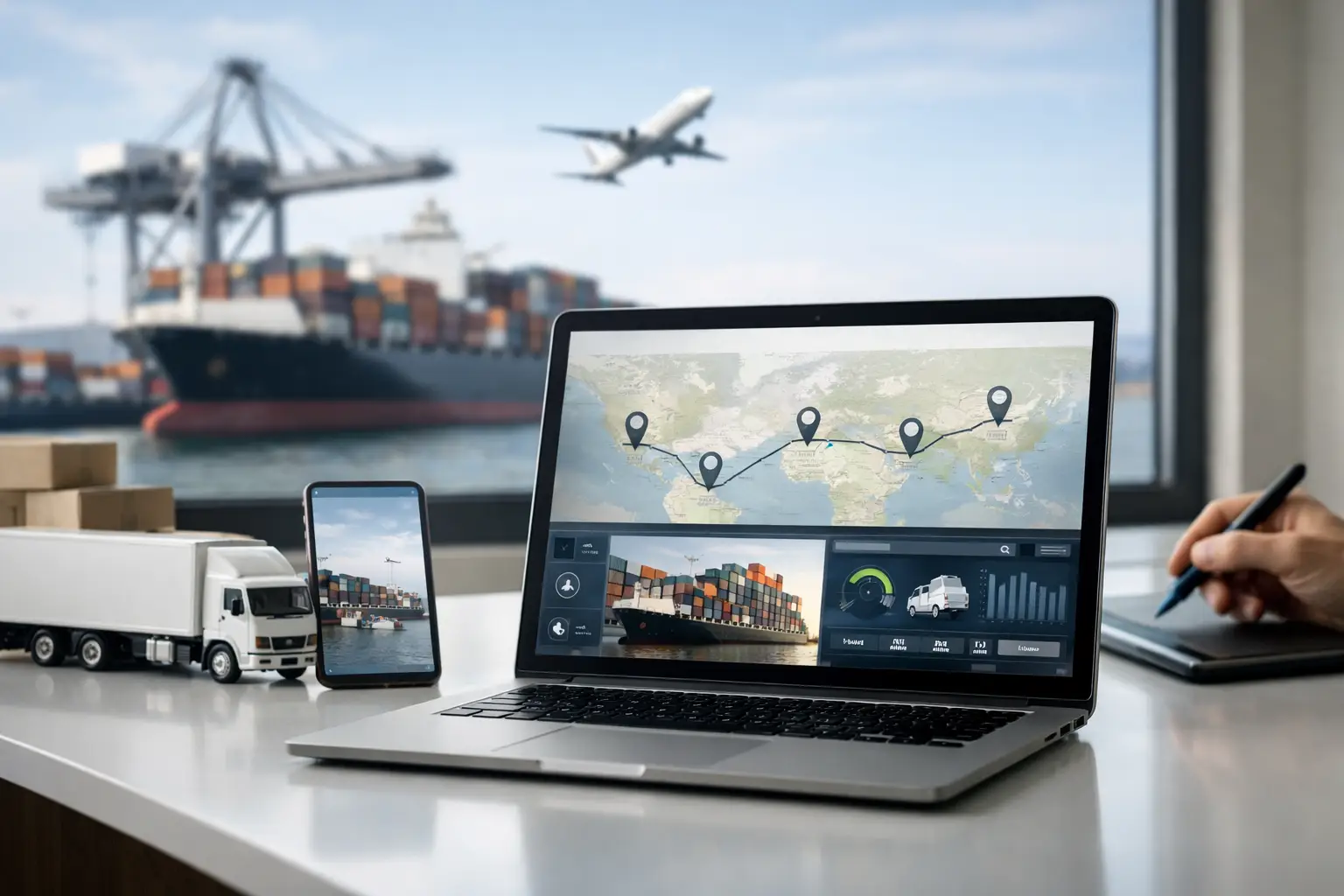

A late shipment rarely starts as a transportation problem alone. More often, it begins earlier – with incomplete supplier updates, siloed inventory data, missed handoffs, or a team finding out too late that a small disruption has become a customer-facing issue. That is exactly why businesses ask what is supply chain visibility and why is it important. They are not looking for a buzzword. They are trying to gain control over moving parts that affect cost, service, and daily execution.
What is supply chain visibility and why is it important?
Supply chain visibility is the ability to see, track, and understand what is happening across your supply chain in real time or near real time. That includes inventory levels, purchase orders, supplier status, shipments in transit, warehouse activity, delivery milestones, and exceptions that could impact performance.
Visibility matters because supply chains do not fail all at once. They drift off plan in small ways first. A supplier misses a production window. A carrier appointment changes. Inventory is shown as available in one system but committed in another. Without a clear view across these events, teams react late, make expensive decisions, and spend too much time chasing updates.
Strong visibility gives operations leaders a single operational picture. It helps teams move from guessing to knowing, and from reacting to managing.
Supply chain visibility is more than tracking a shipment
Many companies first associate visibility with shipment tracking. That is part of it, but it is only one layer. Knowing where a truck is does not tell you whether a purchase order is delayed at the source, whether inbound inventory will miss a production schedule, or whether a customer delivery is at risk because data in two systems does not match.
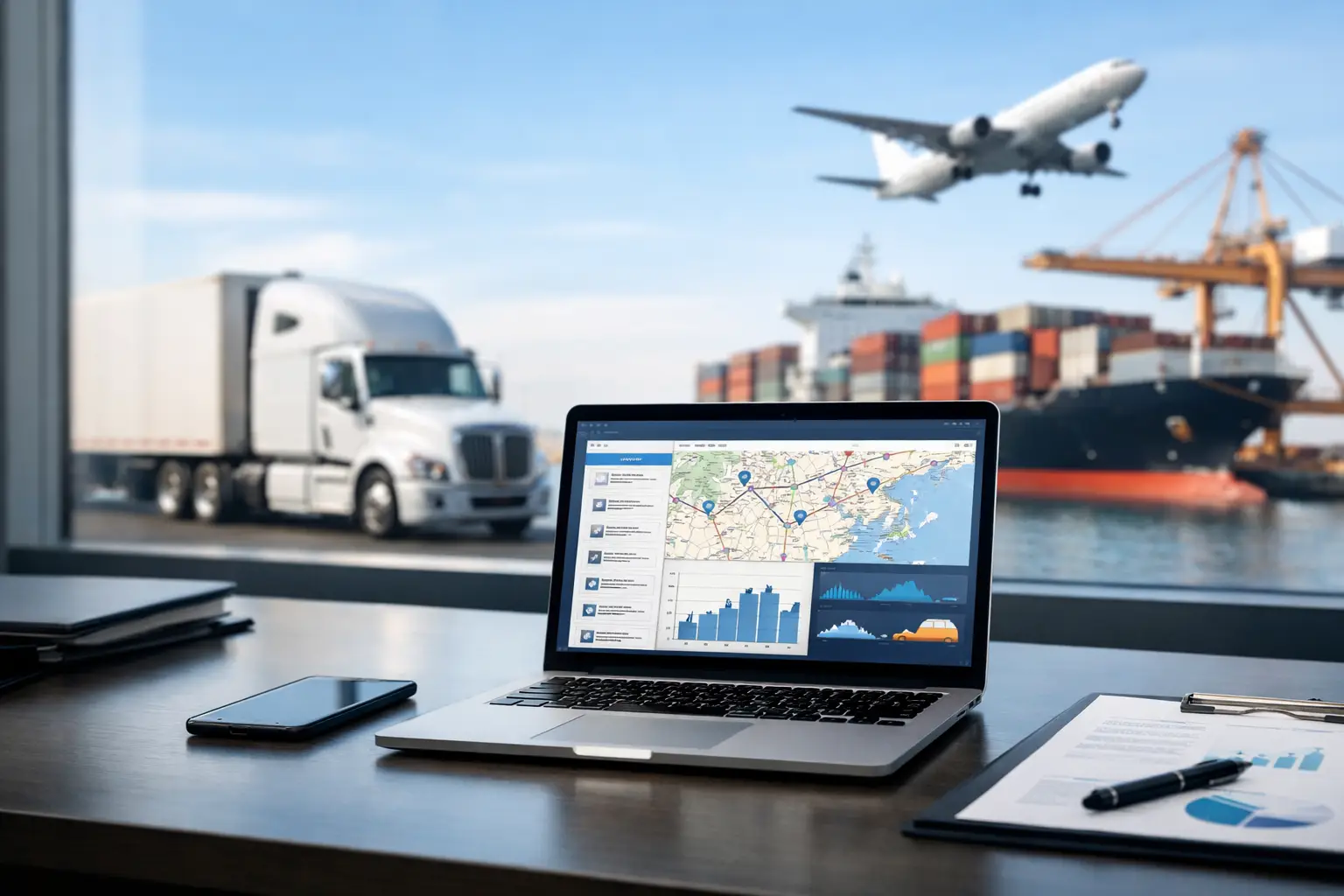
True supply chain visibility connects the full flow of activity from procurement through delivery. It combines supplier coordination, transportation status, inventory positions, milestone tracking, and operational analytics into one view. When this information is centralized, teams can understand not just where something is, but what it means.
That difference matters. Raw data creates alerts. Visibility creates decisions.
Why supply chain visibility is important for operational performance
Most supply chain teams are not struggling because they lack effort. They are struggling because information is fragmented. One team manages supplier communication in email. Another works from ERP data. Logistics relies on carrier portals. Inventory updates sit in spreadsheets. Each source provides part of the picture, but no one sees the whole chain clearly enough to act with speed.
When visibility improves, several performance gains typically follow.
First, response time gets faster. If a shipment is delayed, the team can identify it earlier, assess downstream impact, and make a better call on rerouting, expediting, or adjusting customer commitments. That shortens the gap between disruption and action.
Second, inventory decisions become more accurate. Businesses can reduce overstocking driven by uncertainty while also lowering the risk of stockouts caused by poor coordination. Better visibility does not eliminate inventory trade-offs, but it gives planners a more reliable basis for setting reorder points, allocating stock, and managing exceptions.
Third, supplier and carrier accountability improves. When milestone data is visible across partners, missed commitments become easier to identify and discuss. That supports better vendor management, better performance reviews, and more realistic planning.
Fourth, customer service becomes more predictable. Teams can provide updates based on actual shipment and inventory status instead of estimates assembled from multiple disconnected tools.
Where companies feel the cost of poor visibility
Poor visibility often hides in routine work. Teams manually pull status reports. They reconcile data between systems. They call suppliers and carriers for updates. They escalate issues that could have been prevented if signals had surfaced sooner.
The cost shows up in several ways. Freight spend rises when businesses rely on last-minute expediting. Inventory carrying costs increase when teams stock extra product as a buffer against uncertainty. Labor costs grow because employees spend time gathering information instead of improving performance. Service levels slip because delays are identified too late to recover cleanly.
There is also a decision cost. Leaders cannot optimize what they cannot see clearly. If reporting arrives after the fact, improvement efforts tend to focus on symptoms rather than root causes.
What good visibility actually looks like
A useful visibility model is not just a dashboard full of activity. It gives the right people the right information at the right time, in a format they can act on.
That usually includes live shipment status, inventory views across locations, purchase order progress, supplier performance signals, and exception alerts tied to operational impact. It should also connect with the systems a business already uses, because visibility breaks down quickly when teams have to re-enter data or maintain parallel workflows.
For first-time buyers, this point matters. The best platform is not necessarily the one with the most features. It is the one that centralizes your key workflows, shortens time to value, and gives teams a clearer daily operating picture without adding complexity.
What is supply chain visibility and why is it important for risk management?
Risk management is one of the strongest business cases for visibility because supply chain risk rarely arrives without warning. There are usually signals first – delayed supplier confirmations, repeated lane issues, inventory imbalances, missed milestones, or unusual transit patterns.
When those signals are visible early, businesses can respond before the problem becomes costly. They may shift inventory, adjust sourcing, reroute shipments, or update customer expectations before service failures escalate. Without that line of sight, risk management turns into damage control.
That said, visibility does not remove risk entirely. It improves readiness and response. A storm can still disrupt transportation. A supplier can still miss output targets. The advantage is that teams with better visibility can assess options faster and act with more confidence.
The business case: cost, speed, and confidence
Executives usually invest in visibility for practical reasons, not theoretical ones. They want lower costs, faster decision-making, better service, and fewer surprises.
The financial case is often strongest where operations are growing but systems remain fragmented. As order volume increases, manual coordination becomes harder to sustain. Exceptions pile up. Teams spend more time managing around process gaps. Visibility helps standardize execution and gives leaders a clearer path to measurable improvement.
It also builds confidence across functions. Procurement sees supplier status more clearly. Logistics understands transit risk sooner. Inventory teams can plan with better data. Customer-facing teams communicate with fewer assumptions. That cross-functional alignment is hard to achieve when each department is working from a different version of reality.
How to improve visibility without overcomplicating the process
The most successful visibility initiatives usually start smaller than companies expect. They do not begin with every node, partner, and workflow mapped at once. They begin with the highest-friction areas.
For some organizations, that means inbound supplier coordination. For others, it means transportation tracking, inventory accuracy, or exception management. The right starting point depends on where cost, delay, and uncertainty are concentrated today.
From there, focus on system integration, shared workflows, and alerting that supports action. If alerts are too broad, teams ignore them. If the platform is hard to adopt, the project stalls. Simplicity matters, especially for businesses adopting supply chain software for the first time.
This is where a unified platform can make a meaningful difference. CatenaLogistix, for example, is built around a practical goal: centralize transportation, inventory, supplier coordination, analytics, and risk management so teams can work from one operating view instead of stitching together five or six tools.
A smarter question than “Do we need visibility?”
For most growing operations, the question is no longer whether visibility matters. It does. The better question is what level of visibility will improve decisions without overwhelming the team.
A global enterprise with complex multimodal freight needs a deeper operating model than a mid-market distributor trying to reduce shipment delays and inventory mismatches. More data is not always better. Better context is better.
The goal is not perfect information. The goal is timely, usable information that helps your team act sooner, spend less, and deliver more consistently.
If your supply chain still depends on status checks, spreadsheet reconciliation, and manual follow-up to understand what is happening, visibility is no longer a nice-to-have. It is the foundation for running a more predictable operation with fewer blind spots and better results.
The real value shows up when your team stops asking, “What happened?” and starts answering, “What should we do next?”